
O&M Manual
Product Flyer
Technical Specification

Vacuum Degasser

  • Design Temperature: -20 ºC to 75 ºC
  • H2S Service NACE MR-01-75
  • Max processing Flow up to 2000 GPM
  • Gas Processing Rate up to 2,500 ft3/min
  • Maximum vacuum of about 20 inches Hg
  • Area Classification Zone 1 ATEX CE Marked
  • NACE 0175 Certified
  • ASME Section VIII Div. 1 Certified Vessel
  • Smallest footprint and Compact Design
  • Handle high density and high viscosity mud
  • Recovers liquid density & eliminate toxic gases
  • Efficient degassing and cleaning of drilling mud
  • Recover mud gravity & stabilise mud viscosity
  • DNV / ABS / BV / Lloyds Certification (Optional)

Certification

Product Overview

The Kapwell vacuum degasser is highly effective and efficient, meeting the most stringent requirements.

Kapwell supplies customised, CE-marked, ATEX Zone 1 certified vacuum degassers tailored to suit client requirements. All components are NACE certified and manufactured to the highest quality standards.

Our degassers are designed to achieve efficient gas-liquid separation and ensure the safe transition of toxic gases to the exhaust line.

Kapwell degasser maximises mud recovery and stabilises mud viscosity. Our Vacuum degassers consist of an ASME-certified degasser vessel, vacuum pump, motor, and control cabinet. The drilling mud from the shaker mud tank is drawn into the vacuum degasser by a vacuum generated using a regenerative blower. The vacuum degasser then bursts the gas bubbles in the mud, releasing harmful gases such as methane (CH₄), hydrogen sulphide (H₂S), and carbon monoxide (CO). The toxic gases are then safely discharged from the rig to a flare line or other designated disposal point.

Contact your Kapwell representative for more details.

Features & Benefits

  • Capacity up to 2000 GPM
  • Maximum vacuum of about 20 inches Hg
  • NACE 0175 Certified; reduced cost of maintenance
  • Ex equipment design & manufacturing
  • ATEX Zone 1 Certified, CE mark
  • Visual and/or audible Indicators
  • ASEM VIII Certified Degassing Vessel
  • Smallest footprint and Compact Design
  • Handle high density and high viscosity mud
  • Alternative to mud agitator
  • Recovers liquid density & eliminate hazardous gases
  • Efficient degassing and cleaning of drilling mud
  • Emergency Operation Provisions
  • Recover mud gravity & stabilise mud viscosity
  • Customised vacuum degasser to suit client requirements
offshore Oil & Gas

Applications

Electronics Manufacturing

Vacuum degassers are used in the electronics manufacturing industry to remove gases, such as air bubbles or dissolved gases, from electronic components, circuit boards, or other sensitive devices during the manufacturing process.

Chemical and Petrochemical Industry

Vacuum degassers are used in the chemical and petrochemical industry to remove dissolved gases, such as hydrogen, oxygen, or carbon dioxide, from liquids or chemical processes. This helps to prevent gas interference with chemical reactions, improve product quality.
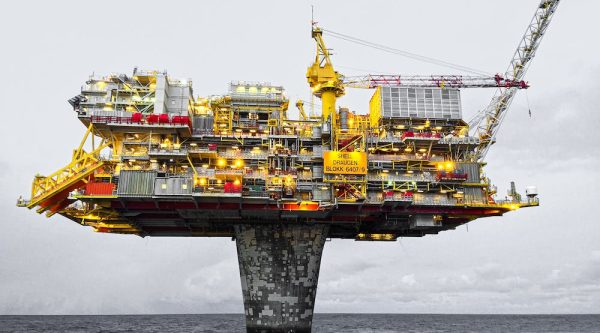
Oil and Gas Industry

Oil and Gas Industry

Vacuum degassers are widely used in the oil and gas industry to remove gases, such as methane, nitrogen, and carbon dioxide, from drilling mud or drilling fluid. This helps to prevent gas interference with drilling operations and maintain the desired properties of the drilling fluid

Pharmaceutical Industry

Vacuum degassers are used in the pharmaceutical industry to remove dissolved gases from liquid medications, solutions, and formulations. This helps to improve the stability, quality, and shelf-life of pharmaceutical products

Environmental Testing

Environmental Testing

Vacuum degassers are Vacuum degassers are used in environmental testing, such as water and soil analysis, to remove dissolved gases from samples for accurate and reliable testing results. This helps to prevent gas-induced errors or inaccuracies in testing measurements.
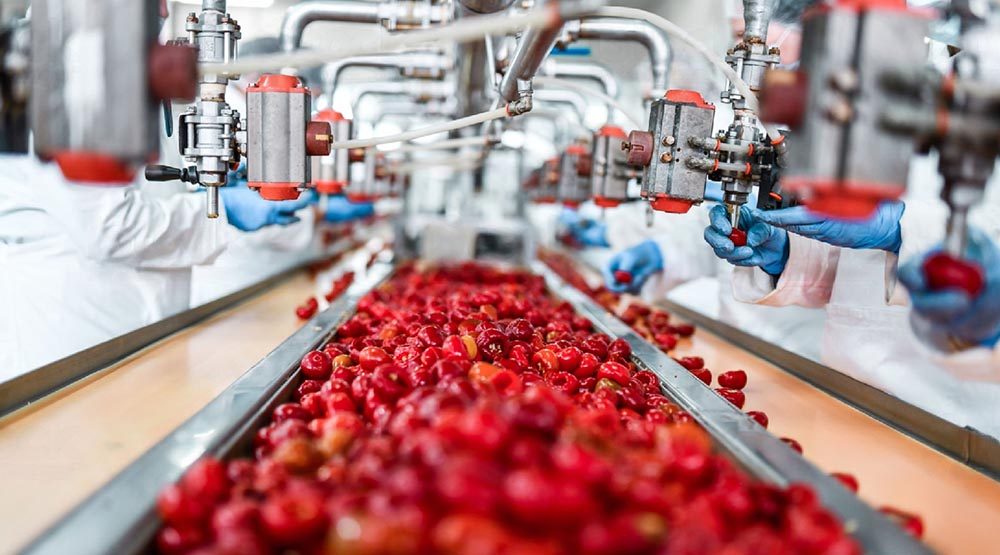
Food_process_industry

Food and Beverage Industry

Vacuum degassers are used in the food and beverage industry to remove dissolved gases, such as oxygen, carbon dioxide, or nitrogen, from liquids, such as juices, sauces, or beverages. This helps to improve the flavor, appearance, and shelf-life of food.

NEXT STEPS...

From arctic conditions, desserts, remote locations to harsh offshore facilities and aggressive desert environments, Kapwell provides world-class products and services. For more information contact our sales representative.

    Enquire Now